Introduction
The Muslim Ummah today is facing trials and hardships that are not limited to one country, one nation, or one group. In different parts of the world, Muslims continue to face oppression, displacement, violence, and suffering. From Palestine and Kashmir to Syria, Yemen, Sudan, Myanmar, and many other regions, innocent lives are affected by conflict and injustice.
Yet an important question should arise in the heart of every conscious Muslim:
Do we truly feel the pain of the Ummah, or have we simply become accustomed to commenting on its suffering?
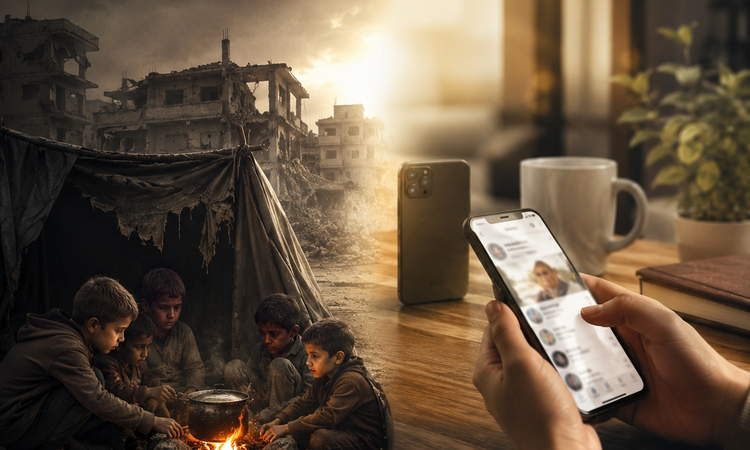
In the age of social media, writing a few emotional lines, sharing an image, or posting a sympathetic comment after every tragedy has become very easy. But is that alone a true expression of concern for the Ummah? Is our responsibility limited to expressing sadness online and then returning to our daily lives as though nothing has happened?
The Bond of Muslim Brotherhood
The Noble Qur’an teaches Muslims that they are connected through faith, brotherhood, and mutual concern. Allah Almighty says:
﴾إِنَّمَا الْمُؤْمِنُونَ إِخْوَةٌ﴿
Translation:
“Indeed, the believers are brothers.”
(Surah Al-Hujurāt, Verse 10)
Brotherhood is not merely a title or a slogan. When one brother suffers, the other should feel concern for him and respond according to his ability through support, kindness, prayer, and sincere goodwill.
The Messenger of Allah ﷺ beautifully explained the relationship between believers. Sayyidunā Nuʿmān ibn Bashīr رضي الله عنهما narrated that the Messenger of Allah ﷺ said:
“The example of the believers in their mutual love, mercy, and compassion is like that of one body. When one part of the body suffers, the whole body shares in its sleeplessness and fever.”
(Sahih Muslim, Hadith 6586)
This Hadith should make us reflect deeply. If the Ummah is like one body, do we truly feel its pain—or has its suffering become nothing more than news, posts, and comments on our screens?
Concern for the Ummah Requires Action
Feeling the pain of the Ummah is not simply about emotional speeches or powerful slogans. True concern must also appear in our actions.
A person who sincerely prays for fellow Muslims, looks for lawful and beneficial ways to help those in need, contributes to the reform of young people, spreads authentic Islamic knowledge, and represents Islam through good character is demonstrating genuine concern for the Ummah.
Every Muslim may not have the same resources or abilities. Not everyone can provide financial assistance, travel to affected areas, or work directly in humanitarian efforts. However, every person can contribute according to his or her ability.
If we can help financially through trustworthy and legitimate channels, we should help.
If we can serve through knowledge and education, we should contribute.
If we can raise awareness responsibly, we should do so with truth and wisdom.
And if we have no means except dua, then we should sincerely turn to Allah Almighty and pray for our suffering brothers and sisters.
No sincere effort for the good of the Ummah should be considered insignificant.
Beyond Arguments and Divisions
We must also ask ourselves whether our internal disagreements have distracted us from the larger responsibilities facing the Muslim community.
Too often, people spend their time attacking, mocking, and arguing with one another while real problems continue to grow. Endless debates and harsh comments may create noise, but they do not necessarily create solutions.
The Ummah needs people who produce awareness rather than noise.
It needs those who promote brotherhood rather than hatred.
It needs those who do not merely criticize problems but also work sincerely toward reform and improvement.
Our words should be accompanied by responsibility, wisdom, and action.
Raise a Responsible Generation
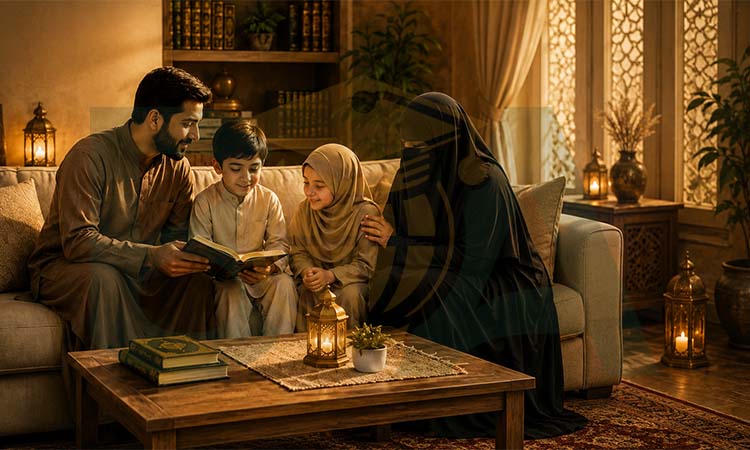
Our concern for the Ummah should not end with us. We must also teach the next generation that they are part of a larger Muslim community.
Our children should not grow up merely as spectators who watch the suffering of others on screens and quickly move on. They should learn compassion, responsibility, generosity, dua, service, and concern for fellow believers.
They should understand that being part of the Ummah means caring about others and contributing positively according to one’s ability.
When this sense of responsibility becomes part of a person’s character, concern for the Ummah moves beyond temporary emotions and becomes a lifelong commitment to goodness.
A Question for Every One of Us
Today, we should honestly ask ourselves:
Is our relationship with the Ummah limited to comments, posts, and emotional reactions? Or do we truly consider its pain to be our own pain?
A single sincere comment cannot replace genuine concern. Sharing an image cannot replace sincere dua. Emotional words cannot replace positive action.
Social media can certainly be used to spread awareness and encourage goodness, but it should not become a substitute for real responsibility.
When the pain of the Ummah truly becomes alive in our hearts, it will influence our prayers, our priorities, our character, our service, and the direction of our lives.
Conclusion
The Muslim Ummah does not need more empty noise—it needs sincere hearts, responsible individuals, beneficial knowledge, righteous action, and a genuine spirit of brotherhood.
Let us move beyond merely reacting to the suffering of others online. Let us ask what we can do, according to our abilities, to bring benefit, support goodness, strengthen faith, improve our communities, and serve fellow Muslims.
Whether through sincere dua, lawful assistance, beneficial knowledge, moral support, good character, or efforts toward positive reform, every Muslim can play a role.
May Allah Almighty grant us genuine concern for the Muslim Ummah, sincerity in serving others, the wisdom to respond to difficulties in the right way, and the ability to represent Islam through our words and actions.
Āmīn.