
Introduction
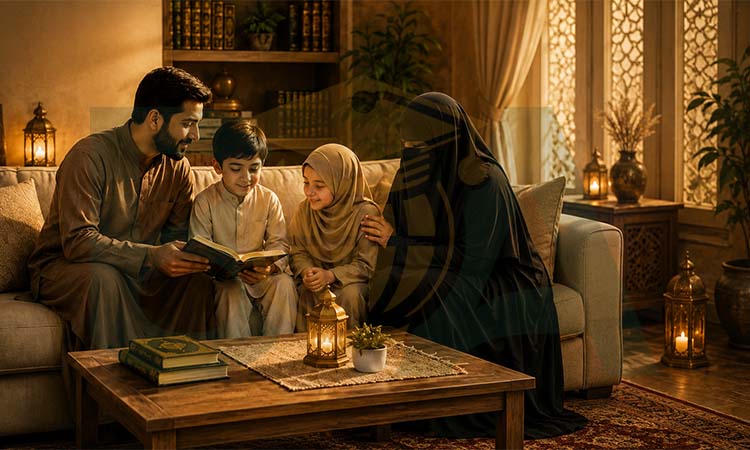
The internet has transformed the way people learn, communicate, and access information. What was once limited to mosques, madrasas, and libraries is now available to millions through a smartphone or computer. Today, anyone can attend Islamic lectures, study the Noble Qur’an, learn Hadith, Fiqh, Tafsir, and Tasawwuf, or enroll in both Islamic and professional courses without leaving home.
This unprecedented access to knowledge is undoubtedly one of Allah Almighty’s greatest blessings. However, every blessing comes with responsibility. The real question is not whether knowledge is available, but whether we are seeking authentic knowledge, learning from reliable sources, and putting that knowledge into practice.
Seeking Knowledge: A Lifelong Journey
Islam encourages every believer to remain a lifelong student. Allah Almighty says in the Noble Qur’an:
﴾وَقُلْ رَبِّ زِدْنِي عِلْمًا﴿
Translation:
“And say: ‘My Lord, increase me in knowledge.'”
(Surah Ṭā Hā, Verse 114)
This beautiful supplication reminds us that the pursuit of beneficial knowledge never ends. A Muslim should continually strive to learn more, whether through traditional learning or modern technology.
Imam Ibn ‘Ābidīn al-Shāmī رحمه الله mentions in the introduction to Radd al-Muḥtār:
“A servant will be questioned about everything on the Day of Judgment except knowledge, because Allah commanded His Beloved Prophet ﷺ to ask for an increase in it.”
This highlights the exceptional status that Islam gives to knowledge and learning.
Knowledge Is an Obligation
The Messenger of Allah ﷺ said:
“Seeking knowledge is an obligation upon every Muslim.”
(Sunan Ibn Mājah, Hadith: 224)
Sayyidunā ‘Alī رضي الله عنه also said:
“Knowledge is better than wealth. Knowledge protects you, whereas you have to protect wealth.”
These timeless words remind us that knowledge is one of the greatest treasures a believer can possess. It shapes our beliefs, strengthens our worship, refines our character, and guides every aspect of our lives.
Online Learning: A Great Opportunity
Modern technology has made authentic Islamic education more accessible than ever before.
A student living in a remote village can now benefit from the lectures of distinguished scholars. Working professionals can study Islam during their free time. Women can learn the Qur’an and Hadith from the comfort of their homes, while Muslims living abroad can remain connected to authentic Islamic teachings regardless of where they live.
When used with sincerity and purpose, online learning becomes a powerful means of spreading beneficial knowledge throughout the Ummah.
Not Everything Online Is Authentic
Alongside the rapid spread of knowledge, misinformation has also become widespread.
Not everyone who speaks about Islam on social media is a qualified scholar, and not every viral post represents authentic Islamic teachings.
Interpreting the Qur’an without proper knowledge, explaining Hadith according to personal opinions, issuing incorrect religious rulings, or presenting individual views as Islamic guidance can seriously mislead people.
For this reason, Muslims should seek knowledge from qualified Sunni scholars, trustworthy Islamic institutions, and authentic classical books.
It is equally important to consult reliable scholars when selecting books for study, since distinguishing authentic works from unreliable ones requires knowledge and experience.
Practical Islam Requires More Than Online Content
Watching Islamic videos, listening to lectures, and sharing religious posts can certainly be beneficial. However, these activities alone do not define true religiosity.
A sincere Muslim should strive to:
- Seek authentic knowledge consistently.
- Learn from qualified scholars.
- Read reliable Islamic books regularly.
- Practice what they learn.
- Develop good character alongside sound knowledge.
Knowledge without action produces little benefit. Likewise, a community that loses its connection with authentic scholarship and beneficial books gradually weakens in both understanding and practice.
Using Technology Responsibly
Technology itself is neither good nor bad. Its value depends entirely on how we choose to use it.
If we use the internet with sincerity, wisdom, and careful verification, it becomes a powerful tool for spreading authentic Islamic knowledge, strengthening faith, and serving the Muslim community.
However, if it is used to spread misinformation, waste valuable time, or promote confusion and division, the same technology can become a source of harm.
Technology should remain our servant—not our master.
Turn Knowledge into Action
The true purpose of seeking knowledge is not simply to collect information but to transform our lives.
Our learning should improve our worship, strengthen our relationship with Allah Almighty, refine our manners, increase our sincerity, and positively influence our dealings with family, friends, and society.
Knowledge becomes truly valuable only when it is reflected in our character and daily actions.
Conclusion
The digital age has opened extraordinary opportunities for learning and sharing beneficial knowledge. Yet real success is not measured by the number of lectures we watch or courses we complete. It is measured by acquiring authentic knowledge, understanding it correctly, acting upon it sincerely, and allowing it to shape our lives.
May Allah Almighty bless us with beneficial knowledge, guide us to authentic scholars, grant us the ability to practice what we learn, protect us and our future generations from every form of misguidance, and enable us to use modern technology as a means of serving Islam and earning His pleasure.
Āmīn.